Evorrah's Blog · Entertaining · The Evorrah Edit
12 Tablescape Directions That Will Define 2027
Not centerpiece ideas — directions: each with its logic, its palette, its one defining object, and the mistake that ruins it.
Not centerpiece ideas — directions: each with its logic, its palette, its one defining object, and the mistake that ruins it.
A tablescape is an argument about what dinner is for, made in objects. Most "tablescape ideas" content skips the argument and lists the objects, which is why it all looks the same by March. These are twelve directions — each with its underlying logic, its palette family, the one object that defines it, and the specific mistake we watch ruin it. They are numbered, not ranked; the right one depends on your room, your food, and your nerve.
The logic: dinner as a private library — inherited silver deliberately mismatched, candlesticks that outrank the flowers, menus set like title pages. Defining object: a place card that reads like a bookplate. The mistake: renting "vintage-style" everything — the direction only works when at least a third of the table genuinely has a past.
The logic: light as the centerpiece — thirty candles, three heights, almost nothing else. Defining object: the taper forest. The mistake: scented candles anywhere near food, and forgetting the venue's flame policy until the walkthrough. Ask first; battery tapers have become genuinely good and nobody at a two-meter distance can tell.
The logic: the Dutch masters bought their centerpieces at the market — figs, artichokes, whole citrus, trailing tomatoes on the vine. Edible abundance instead of florals. Defining object: the pomegranate split open on purpose. The mistake: waxed supermarket fruit under candlelight, which reads exactly like what it is.
The logic: the view does the decorating; the table defers — linen runners, low greens, one Campari-colored gesture. The full genome is the Como Event DNA. Defining object: the menu weighted down by a lemon. Fine: one lemon. The mistake: tall centerpieces anywhere a view exists.
The logic: all-white done as texture instead of color — hemstitch against bisque against bone china against candlewax, ten whites deep. The direction quiet luxury should have taken (the essay). Defining object: the unironed linen tablecloth, chosen, not neglected. The mistake: one wrong blue-white plastic anything, which shatters all ten whites at once.
The logic: the conservatory brought to the table — potted, rooted things instead of cut stems; ferns, orchids, moss, terracotta. Guests take the pots home. Defining object: a living plant as escort card, name staked in the soil. The mistake: cut-flower fillers creeping in — the direction's whole point is roots.
The logic: one continuous fabric gesture down the table's spine — a dyed silk runner pooling at the ends, marigold-and-vermilion or indigo, everything else calm. Defining object: the runner itself, ideally hand-dyed, absolutely not polyester. The mistake: matching the napkins to it; the ribbon must be the only one talking.
The logic: the table as a potter's shelf — handmade plates that agree in clay but differ in throw, unglazed exteriors, weight you can feel. Food styled by the kitchen, not the florist. Defining object: the visibly hand-thrown dinner plate. The mistake: mixing in one set of hotel china "to stretch the count" — rent the real thing or choose another direction.
The logic: paper as décor — each place set with a sealed letter, a menu that unfolds, a name written by an actual hand. The tablescape IS the stationery. Defining object: the wax-sealed note at every place, written by the hosts, different for each guest — per-guest design at its most intimate scale. The mistake: printing the "handwritten" notes in a script font. Guests check. They always check.
The logic: the formal evening in full dress — black tablecloth, gloss surfaces, brass, blue-hour glass; the room disappears and the candlelit table floats. Defining object: menus foiled on carbon stock (why foil is non-negotiable on dark paper). The mistake: dim overheads instead of dark ones — this direction needs the room OFF, not moody.
The logic: the kids' table designed with the same seriousness as the adults' — same palette translated: paper for drawing that matches the menus, name cards they keep, food served on real (unbreakable) versions of the same setting. Defining object: a menu card with their name and a checkbox dinner. The mistake: the primary-colored plastic island that announces exile from the real party.
The logic: the contrarian direction — nothing down the center at all. Food arrives family-style and BECOMES the centerpiece; before it lands, the table is linen, settings, and conversation across an uninterrupted plane. Defining object: the serving dish, because it is about to be the only object. The mistake: pairing it with plated service — an empty middle plus plated courses equals a table that reads unfinished all night.
Three filters, in order. The food: family-style wants 3, 8 or 12; plated formal wants 2, 4 or 10. The room: a view or garden argues 4, 6 or 12; a black-box ballroom argues 2 or 10, which bring their own architecture. The hosts: direction 9 belongs to people who will actually write the notes. A tablescape is a promise about the evening — pick the one you can keep, and give it the paper it deserves.
A tablescape needs its paper — the house designs menus, place cards and table numbers that belong to the same world as the table.
Dinner & garden paper Wedding suites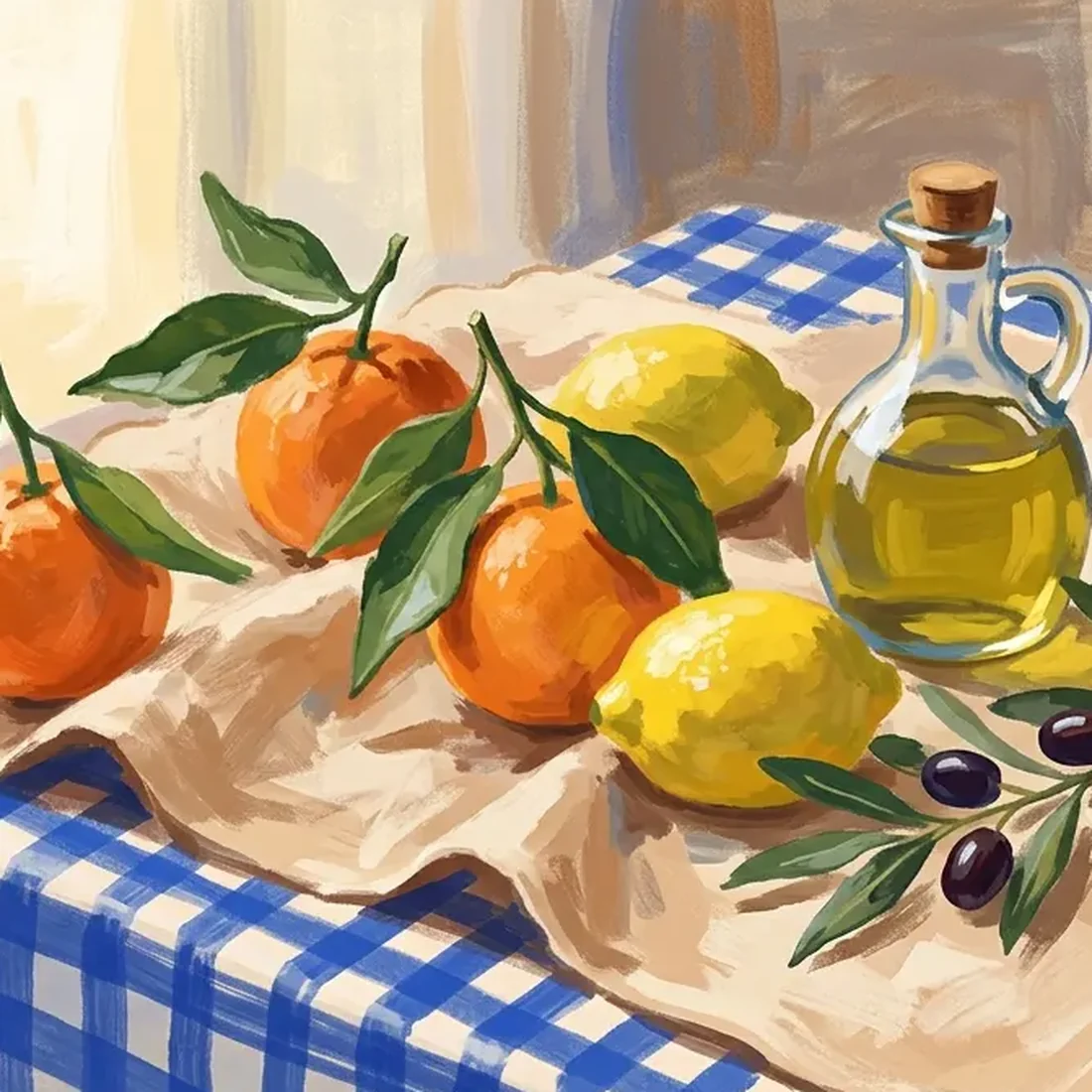
Six palettes we believe in for 2027 — sources, roles, and what each replaces.

Why the most old-fashioned way to entertain is suddenly the most modern.
One event style fully decoded — palette to postage. The first in the series.