Evorrah's Blog · Weddings · Essay
What Guests Actually Notice at a Wedding
Not the flowers. We asked, and then we watched — the things guests remember are almost all about whether they felt expected.
Not the flowers. We asked, and then we watched — the things guests remember are almost all about whether they felt expected.
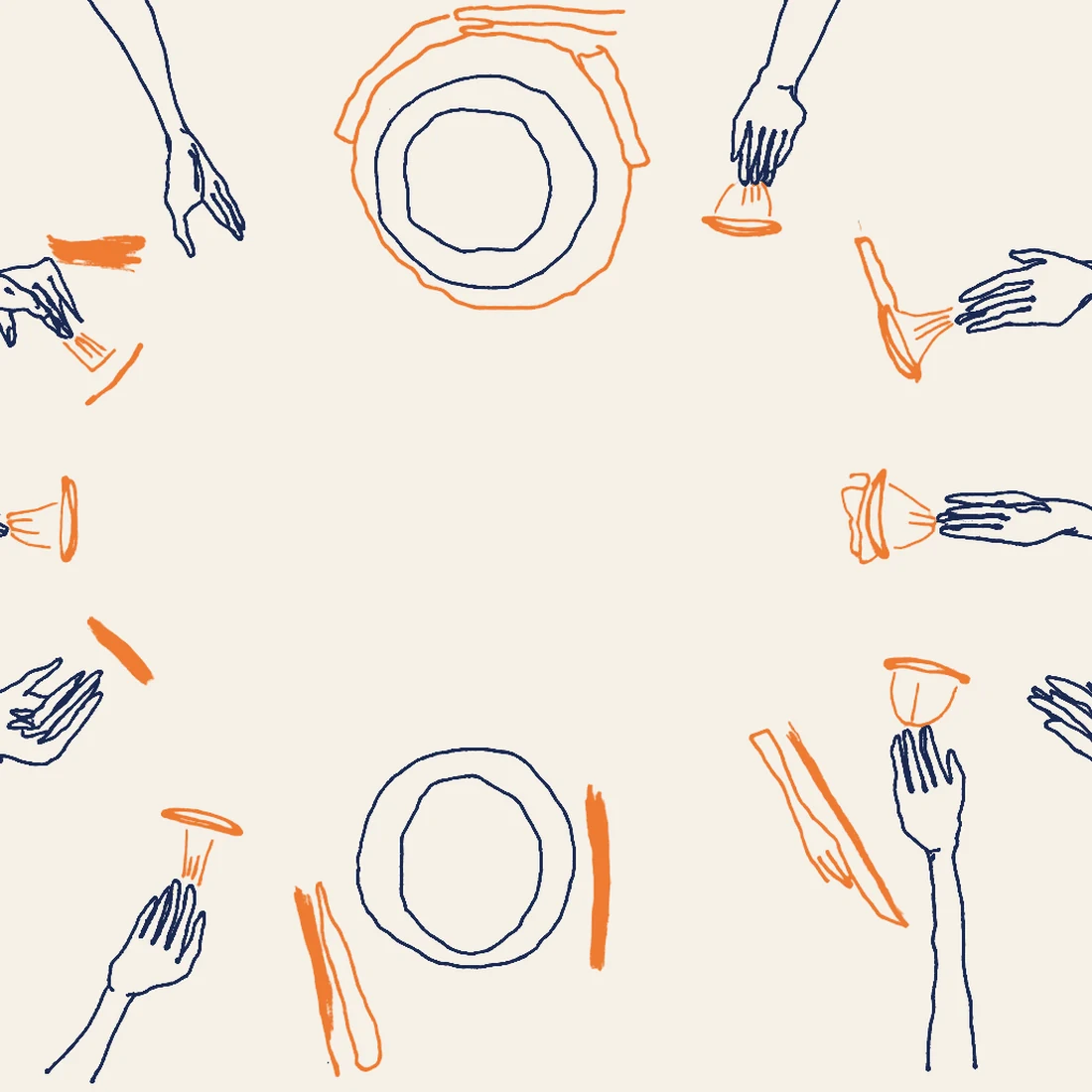
Couples spend a year making decisions they believe guests will notice, and a striking number of those decisions are invisible from a chair at table nine. This is not an argument for spending less. It is an argument for spending in the places where a guest is actually looking — which, it turns out, is a short and slightly humbling list, and almost all of it comes down to one question a guest asks without knowing they are asking it: was I expected?
The most-mentioned object at every wedding we have worked on is not the invitation. It is the place card — because it is the moment a guest discovers that someone thought about them specifically, by name, and got the name right.
The inverse is just as strong and much more costly. A misspelled name on a place card is remembered for years. So is a card that says Guest where a partner's name should be; that person spends the evening at a table where the paper has told them they are an accessory. If there is one place to be perfectionist, it is the spelling of two hundred names — accents included. This is exactly why we set every name from the confirmed reply data rather than from the original guest list, and why per-guest setting exists at all.
The single most common complaint after a wedding is the unexplained gap — the hour and a half between the ceremony ending and dinner beginning, during which the couple is photographed and the guests are, from their point of view, unattended.
Guests do not mind waiting. They mind waiting without information. A line on the order of service or a sign that says Drinks on the terrace until 6.30 — dinner is called at 7 converts a vacuum into an interval. It costs nothing and it is the highest-return sentence at the entire wedding.
Every transition is a small test: arriving, moving to the ceremony, finding a seat, finding the table, finding the loo, finding the taxi. A guest who has to ask twice starts to feel like an intruder at an event they were invited to.
This is what signage and an escort display are for, and why the escort display is worth real attention: it is the one piece of paper that two hundred people queue to read, at the exact moment they are least sure of themselves. Alphabetical by surname, always — a chart organised by table is a chart organised for the couple, not for the guest standing in front of it.
Unglamorous and true. The weddings guests describe as generous are almost never the most expensive ones; they are the ones where food appeared during the drinks hour, where water was on the table, and where somebody thought about the fact that a walled garden in September is cold after nine.
Blankets, heaters, and something to eat before eight do more for the felt quality of a wedding than any upgrade in the room.
Guests do not itemise design. They register atmosphere, and then a very small number of specific objects — and it is a different set from the one couples expect.
What they do not itemise: the flowers, individually. The chairs. The linen. The lighting design as a thing distinct from the room. Those work as atmosphere — real, worth paying for, but not recalled as items.
Every honest conversation about a wedding eventually arrives here. Guests take their emotional reading from the two people at the centre, and a couple visibly managing logistics transmits that to the room. The practical consequence is not sentimental: it is that decisions which reduce your load on the day — a schedule someone else runs, seating settled a week early, paper that arrived correct — are guest-experience decisions, even though they appear on no guest's list.
Three shifts, if the list above is right:
Guests do not remember what a wedding looked like nearly as clearly as they remember how competently they were looked after — and being looked after, at a wedding, mostly means being known by name, told what is happening, and fed before you were hungry enough to notice.
Whether they were expected — their name spelled correctly, a seat that made sense, someone who knew who they were. After that: how long they waited without explanation, whether they were fed and warm, and how easy it was to find things. Flowers and stationery are noticed as atmosphere rather than as items.
Almost always the gaps: an unexplained hour between the ceremony and dinner, not knowing where to go, being cold, being hungry, and being seated somewhere that felt like an afterthought. None of these are design problems and all of them are solvable in advance.
They notice it at the table, not in the post. A menu at forty centimetres for two hours does more work than the invitation ever did — and a place card with a correctly spelled name is the single most-mentioned piece of paper at any wedding we have worked on.
Menus, place cards, table numbers — the paper that sits in front of a guest for hours. Every Evorrah suite carries them in one design language.
Wedding suites at Evorrah See finished suites
Guest list to locked plan — method, politics, and the display.
The manifesto: events designed like brands, one system across every touchpoint.
Three hundred invitations for three hundred people — what per-guest design changes.