The Delivered Suite · 2026
Direction B
A Garden Gathering
EloiseThe Meadow Hour
Three pieces · One carries a name
Three pieces · One carries a name
Every piece below is the delivered artwork, not a mock-up of it. The panel is live: put a name in it and watch each piece that carries a name take it, exactly as it does in a real print run.
The pieces that read the same for the whole room carry no name at all — and we say so.
Not decoration — every one of these has a job, and they are the same inks the pieces below are printed in.
Aa
Aa
A direction is as much what it turns down. This list was written when The Meadow Hour was chosen, and every piece below holds to it.
HTML · Mobile-optimised vertical card · Caterpillar at hero boundary · Verbatim invitation copy · Ambient nature sound opt-in
One salutation line, set in the card's own type, above the line the hosts wrote. Everything else is the delivered artwork.
The greeting is the only line the merge changes, and the companion line the only thing plus-one adds — one edition, not a second set of files.
{{GREETING}}{{GUEST_NAME}}{{#if plus_one}}{{PLUS_ONE_NAME}}
Each guest's own code — live, and it scans. No piece in this suite carries a zone for it, so it reaches the guest through their personal link.
A2 portrait · Print-ready · Botanical hero · Day programme · Terracotta hairline border inset
It reads the same for the whole room, so it prints once.
no placeholders
4 variants · One per species · Blank name line · Hole-punch + jute tie format · 22 guests + spares
It reads the same for the whole room, so it prints once.
no placeholders
At the guest's own link the platform renders Digital Invitation — this same file, not a second rendition — and adds a reply panel to it. On the left, as it is delivered, with no trace of the panel. On the right, as it opens.
The panel is injected by the platform, not drawn by the design, and the delivered piece carries no trace of it. The right-hand state shows how it reads; for the platform to compose it into this piece, the file declares the empty container the Living Invitation expects.
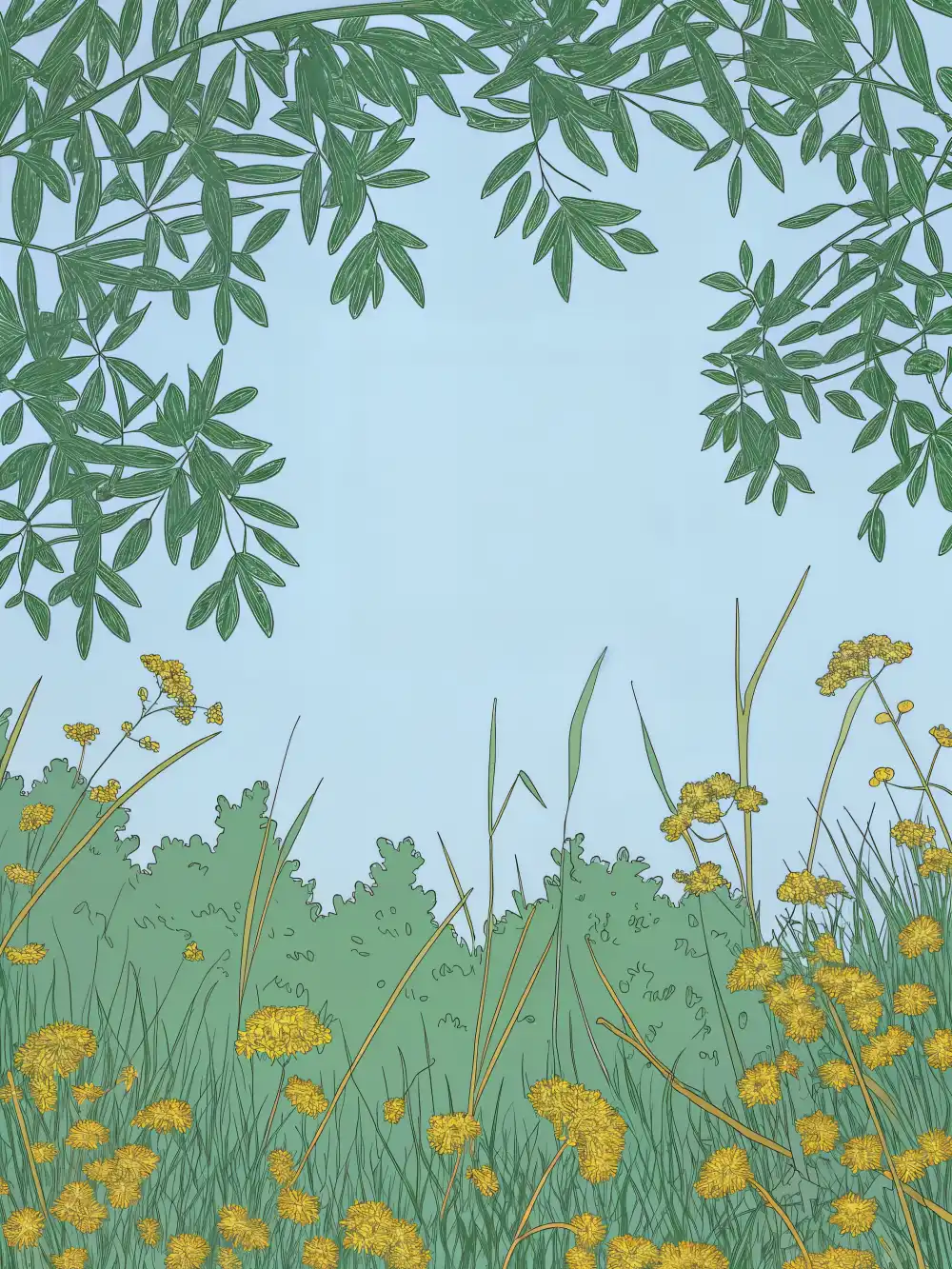
The client brief contained a single observation that determined the invitation's hero detail: "The caterpillar she drew on page one, aged 5, would make a perfect invitation motif." It would. The caterpillar was her first field observation — the one that started the notebook. It appears at the hero boundary of the invitation card: a small discovery at the meadow's edge, drawn as if Eloise herself placed it there.
The invitation is her journal entry, made beautiful. Not illustrated for her — drawn as she would have drawn it, at the scale and seriousness she gives to the things she observes. The caterpillar carries the whole brief in the shape of its back.
The two printed designs above are delivered as print-ready files — at the true trim size, with the backgrounds and the fonts the printer expects. The suite's digital piece is delivered for the guest's link instead, not for press. The one that carries a name becomes a personalised file for every guest on the list.
One of the three pieces carries a name. The rest read the same for the whole room, so they print once — and each one says so.
Each guest's own code opens their own page. The same code, read at the door, marks them arrived — so the host knows who is in the room without a clipboard.
The same card, at the same guest’s link, with a reply panel drawn into it. Not a separate digital version in a different style — the design itself, continued. It is further down this page, in both of its states.