Direction B
The Ruled Window
Sixty-seven ornaments, one a year since 1959, each with its year written on the cap in pencil — Evorrah has been keeping a record for longer than most of the guests have been coming. So this world takes the ruling seriously: the twelve-over-twelve sashes the ornaments hang in, the compartments this world draws for the box, the fine columns of a household ledger. Then it fills them, at full strength. Pink leads here as it leads anywhere at Evorrah; it simply arrives as a field of filled cells rather than as one painted object. The rule is what lets you use this much colour and still read a name across a candlelit table.
the ruling holds the colour, it never rations it
pink leads here too — it fills whole cells, it does not accent
every compartment is sized to what it holds
the years stay in pencil, in her hand, never set in type
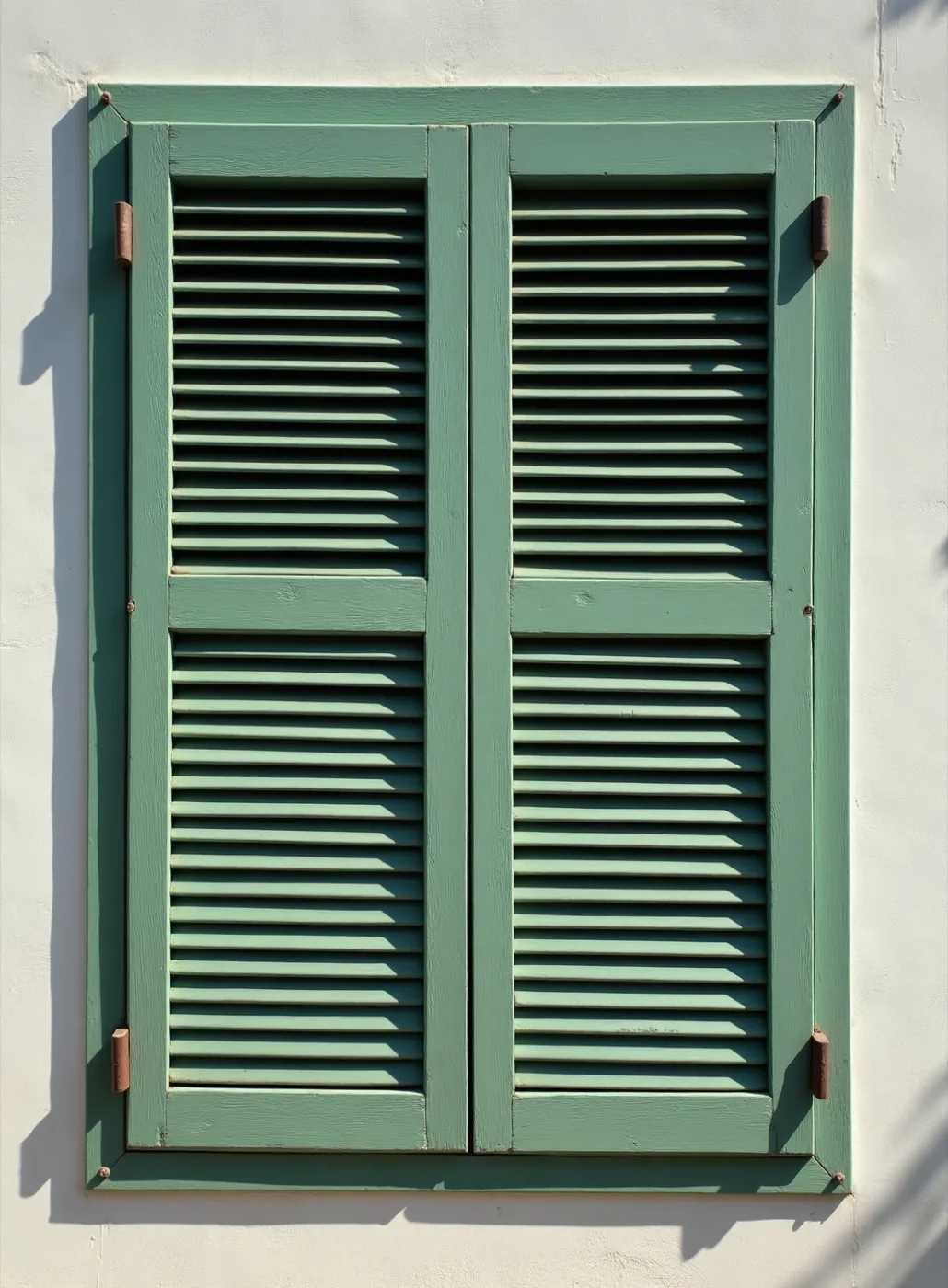 Charleston's own repeat, in a green already on the street — a rhythm nobody would call cold, and the argument for letting the leaf green carry structure instead of decoration
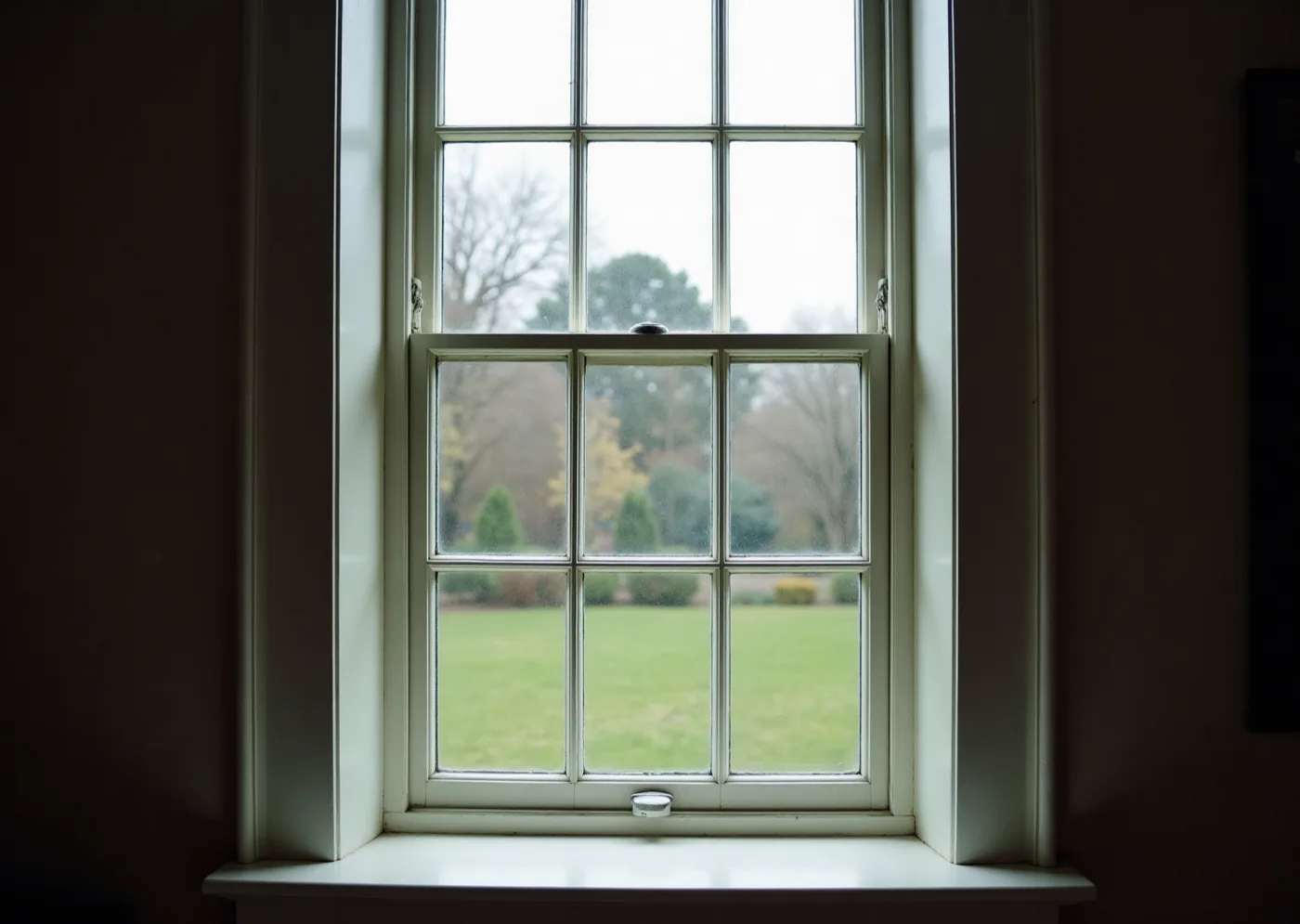 the sash grid your ornaments already hang in — Evorrah ruled it in 1817, so this world is not inventing a structure, it is borrowing yours
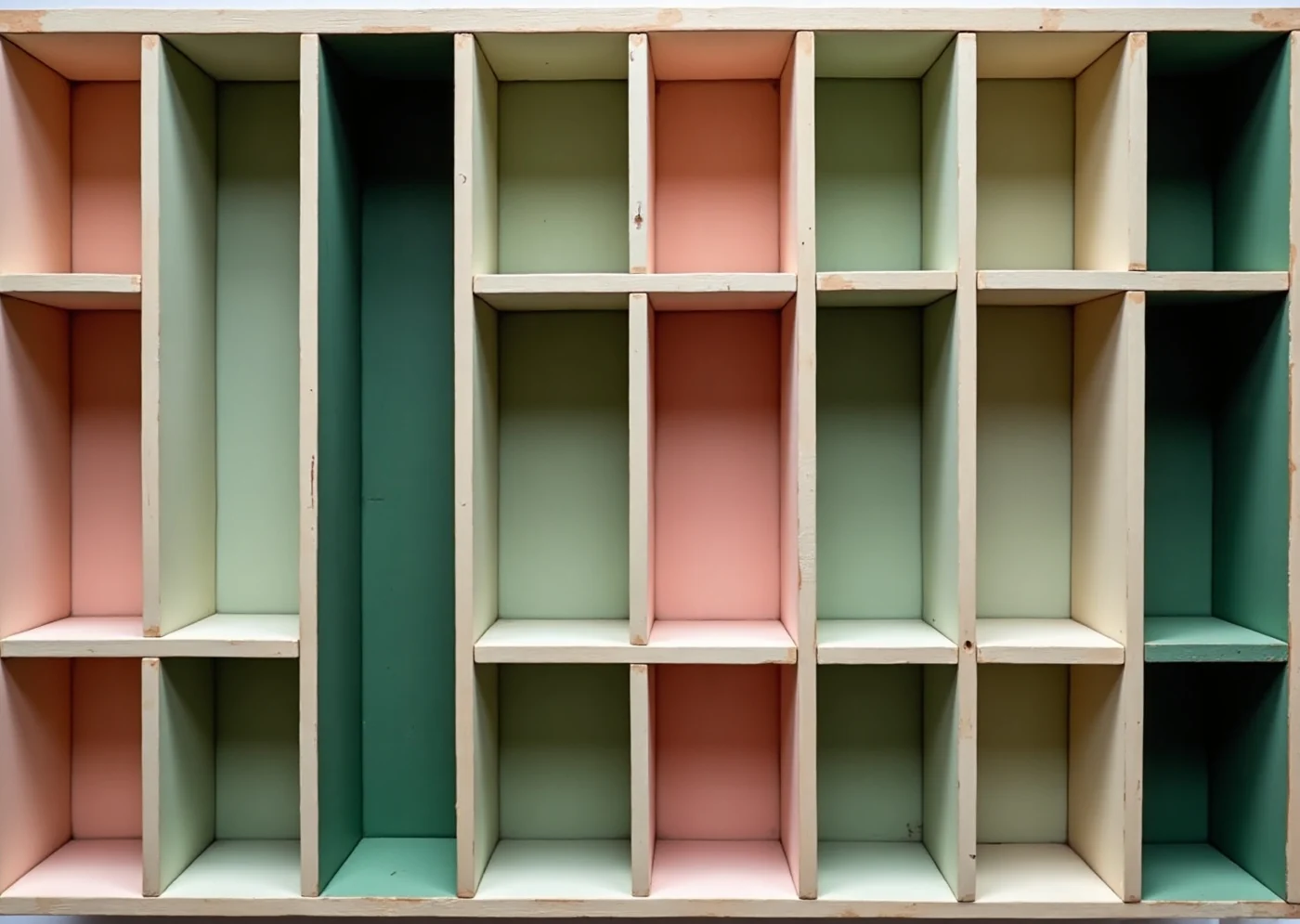 a grid does not have to be uniform — each compartment is cut to the size of the thing it holds, which is how nine pieces at nine different sizes stay one system
 most of the drawers standing open — which is what forty-four leaving in one evening actually looks like. and the only brass here is a pull you put your hand on, which is a colour rather than a shine
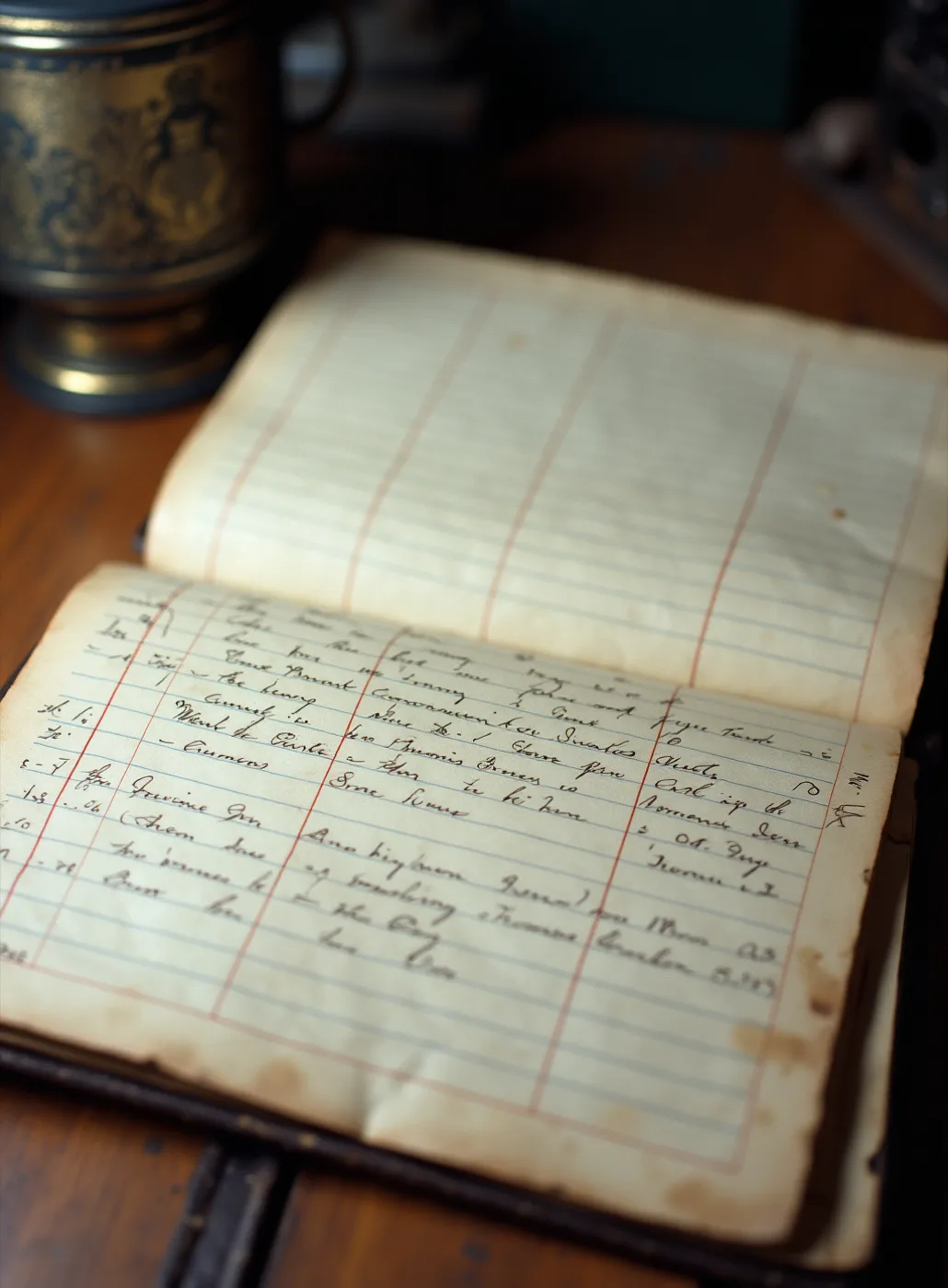 the rules themselves are in colour — red over blue, not a neutral hairline. proof that ruling a page is not the same as draining it, and that a household record can be a warm object
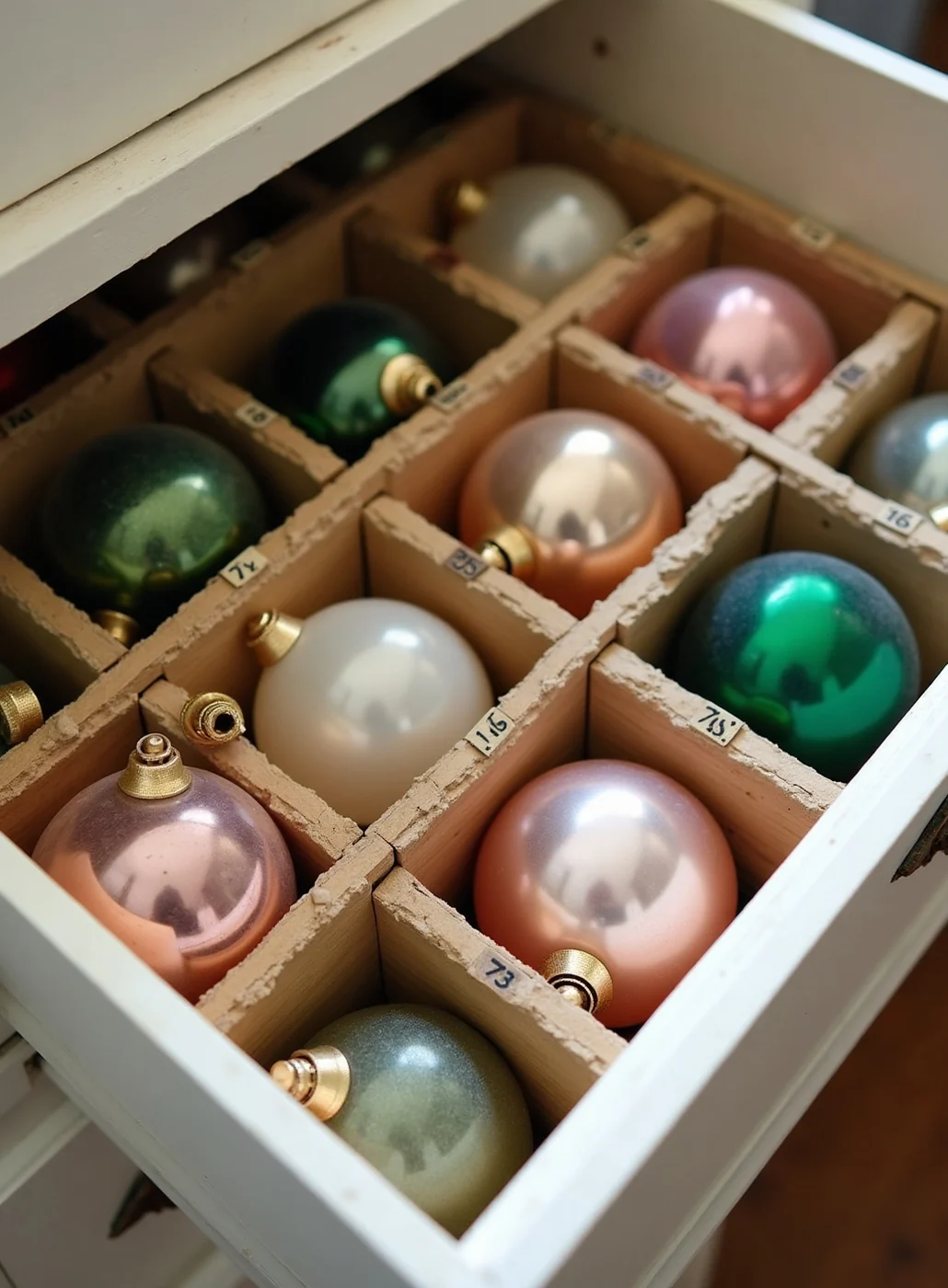 the collecting instinct and its one failure — everything filed and dated, then labelled for the person who already knows. your father-in-law reads the menu without his glasses; this is the temptation this world has to refuse
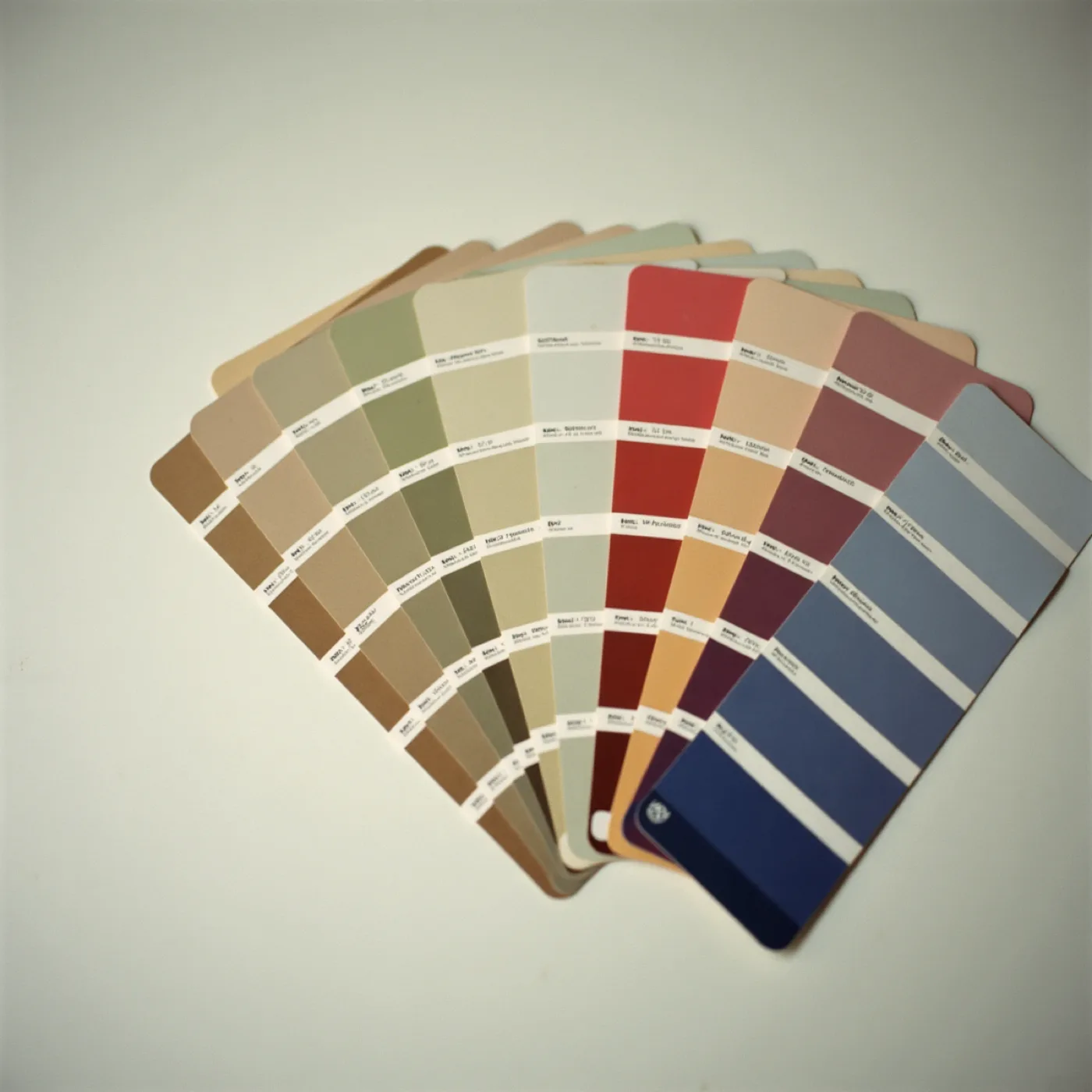 why the ivory has to stay ivory — the pink reads at full strength because the field it sits in is quiet. the ground is not a colour decision, it is the thing that makes your colour work
Ledger ivory
#F1EEE4
Ground
Pine
#1F3B2E
Ink
Bubblegum
#E45C8C
Accent — leads, and fills the most cells
Leaf
#5F8F3E
Accent — the ruling colour
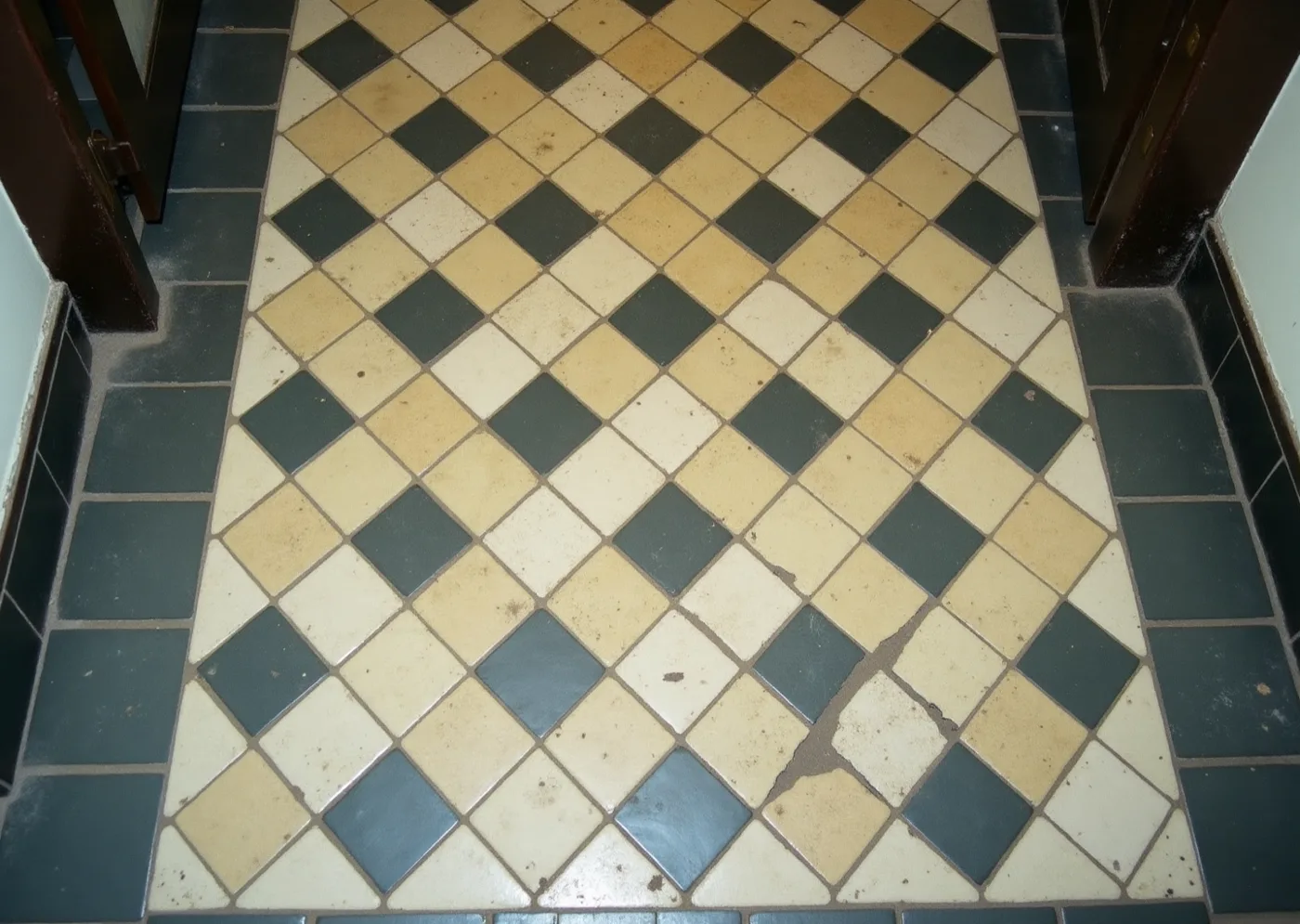 a strict checker walked on for two hundred years and worn through the middle — the answer to "nothing pared-back". a grid goes warm by being used, not by being loosened
Type specimen
Marguerite & Everett Pomeroy
display — Hanken Grotesk in letter-spaced caps, set flush to the ruled left column and never floating between the bars
Christmas
the one hand-lettered word you asked for, in the bubblegum pink — written across the ruling, the only thing on the sheet that ignores the grid
24 December 2026 · half past six · 32 Legare Street
text — Fraunces, hung on the rule and set generously; nothing a guest needs is allowed to go small
an even, measured sans that sits flush to a drawn line without wobbling, the warm serif kept underneath it for the sentences a ruled field cannot say, and one written word in pink that obeys nothing
Ruled in red over blue — the fine rules on a household inventory are themselves coloured, and the page is warm for it. That is what settles the fear that a ruled world must be the restrained one: here the structure is drawn in leaf green and crimson on ivory, and the colour goes inside the cells as well as around them.
Worn down the middle — you said nothing pared-back, and a strict grid is usually the fastest way to end up there. This one is not, because it has been walked on for two hundred years. The suite takes the same licence you already praised in faience — the rule is allowed to wobble where the pen crosses the tooth of the cotton rag, and is better for it.
Compartments cut to size — the type case is the argument for one system across nine formats that share no shape at all. No two of its cells are the same size and none of them is a compromise, which is how a place card and a welcome board can obey the same logic without being scaled versions of each other.
Forty-four drawers open — the count is the fact neither world can avoid. Forty-four leave every Christmas Eve and one comes back, so the empty compartments here are not a graphic device — they are the arithmetic, and this is the world that can put it on the paper.
What each piece becomes in this world
InvitationThe window ruled across a 5×7 cotton-rag card and printed off three edges, so the sash carries on past the trim. The panes hold colour — pink through most of them, leaf and crimson among it — and "Christmas" is hand-lettered in pink straight across the ruling. Hosts, date and 32 Legare Street set flush to the grid's own left column, with "Supper at seven. Carols at nine, whether or not anyone can sing." beneath the date.
Save the DateThe same sash ruled edge to edge with only three of its panes filled — pink, leaf, crimson — and the year set small in the bottom left cell. It goes out first because half these guests do not need telling what the evening is; the three filled panes are the whole message.
RSVP CardTwo ruled cells and nothing else: one for the number coming, one left open for anything they want to say. The reply asks for the count and no more, because the seating is three long tables and the family already knows everybody's name.
Menu CardThe courses hung on a ruled left column at 11pt, raised above Evorrah floor because a guest of ninety-one reads this without his glasses and will not be handed anything small. The dish names stay exactly as the family says them — "the green beans with the almonds on them" — and the ruling is what keeps a menu short enough to read aloud from looking bare.
Place CardsOne cell, one name, hung on the ruled left edge at 15pt with a single filled square beside it. The smallest compartment in the system and the quietest one, because forty-four of these have to be read fast across a candlelit table.
Table NumbersThree compartments lifted out of the box and filled — Nineteen Fifty-Nine, King Street, The Window — each taking its colour from an ornament tied to what it names. From the pocket doors you can tell which table is yours by the colour before you can read the words.
Welcome SignageThe window drawn at architectural scale on the piazza door, its panes filled in the three colours so the grid reads from the street before a word of it does. The type sits in the bottom row of cells; the ruling does the greeting.
Favor TagsOne ruled cell with its four-digit year inside it, anywhere from 1959 to 2025, in pencil-script the way Nonie wrote it on the cap. The tag is a single compartment cut out of the box grid, which is exactly what the ornament tied to it is as well.
Thank You CardThe box drawn from overhead in January: sixty-seven compartments, forty-four of them emptied on Christmas Eve, each year still written beside its gap. One line of writing underneath. It is the only piece where the count is the whole message, and it is sent after the fact so it can be.
DigitalThe RSVP page is the same ruled field on the same ivory, its cells filling one at a time as the page settles — no more than four pixels of movement, and off entirely if the guest's device asks for reduced motion. Buttons and links take the pine ink rather than the pink, because they carry small text.
The evening itselfArrive to the ruled window at the piazza door and champagne outside whatever the weather; peak at three long tables under the ornaments still in the sashes; leave with one ornament chosen for you and a ruled tag with its year on it, which does not come back.
Still open in this world
- Whether a ruled field can take this much pink before it stops reading as colour. The claim here is that the rule lets you be generous rather than careful. Past a certain number of filled cells a grid of pink and green reads as a repeat — as wrapping, or as a tablecloth — and where that line sits is a proofing question, not a drawing one.
- Whether one grid runs through all nine pieces, or each piece gets its own. The type case argues for compartments cut to their contents, which would give the menu, the place card and the favour tag three different lattices. One grid across everything is more obviously a system; nine sized grids are more obviously right. They cannot both be true.
- Whether the rule survives cotton rag with a real tooth. Fine enough to stay a rule and it breaks up on the paper you chose; heavy enough to survive the tooth and it starts to look like a table on a form. The welcome board at architectural scale sits at the far end of the same problem.
- Whether the pencil years hold at tag size. Setting the year in her own hand is the best small idea in this world and the one place it could genuinely fail a guest — the specimen drawer on this board is a cabinet of labels written for somebody who already knows what is in it.